
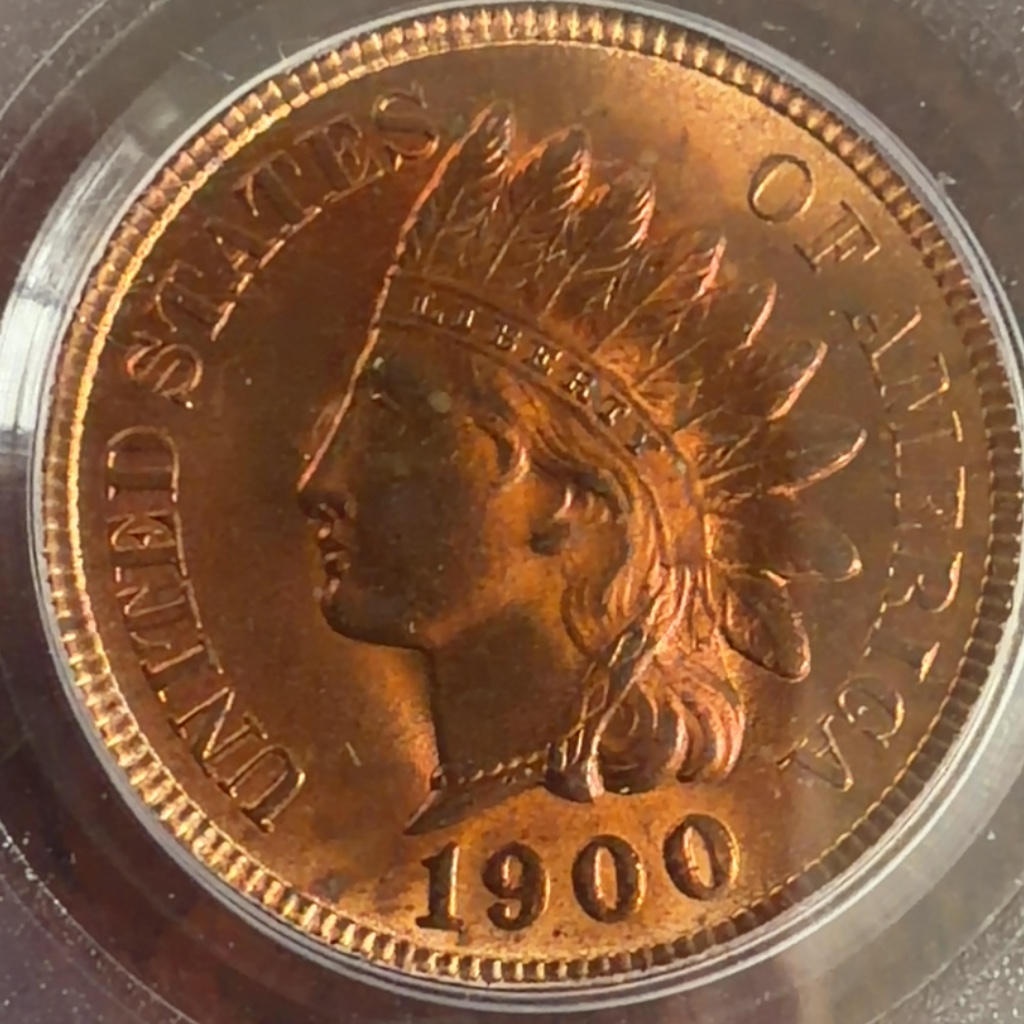
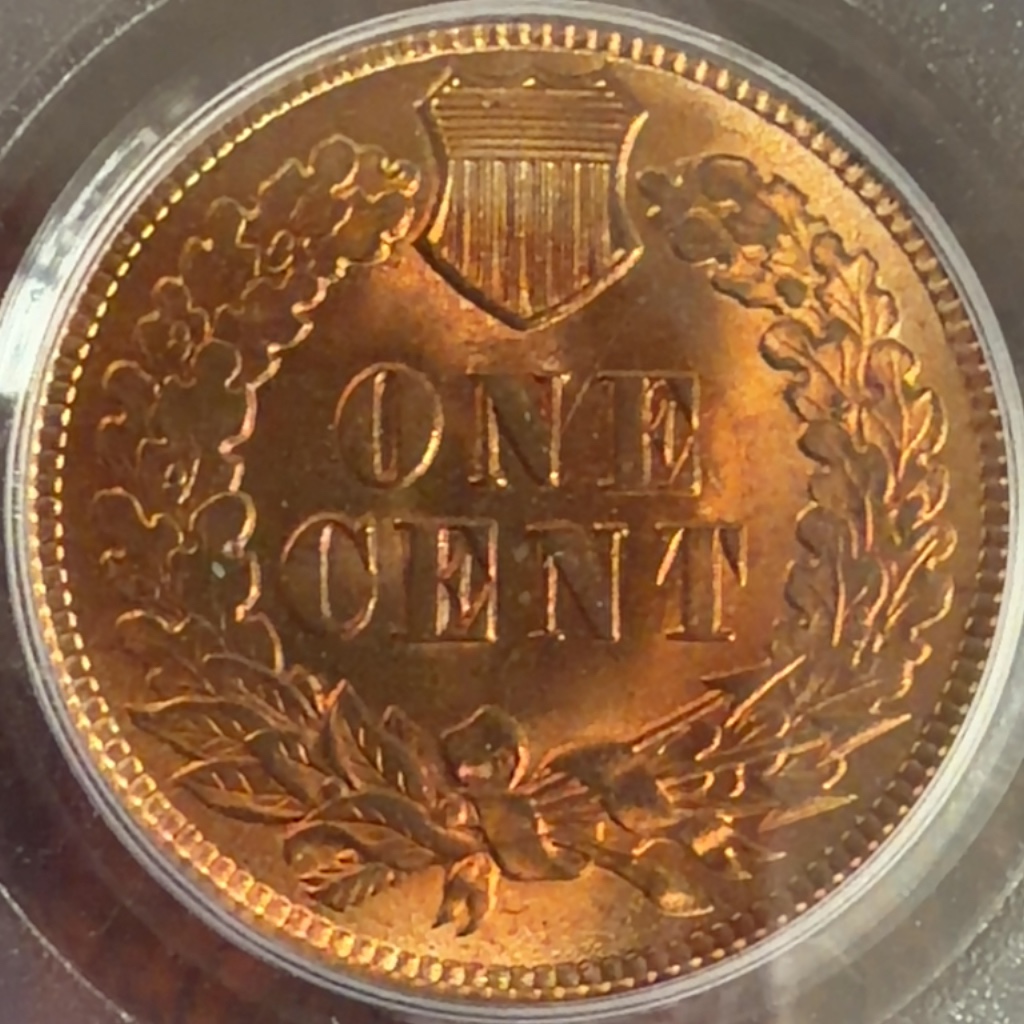
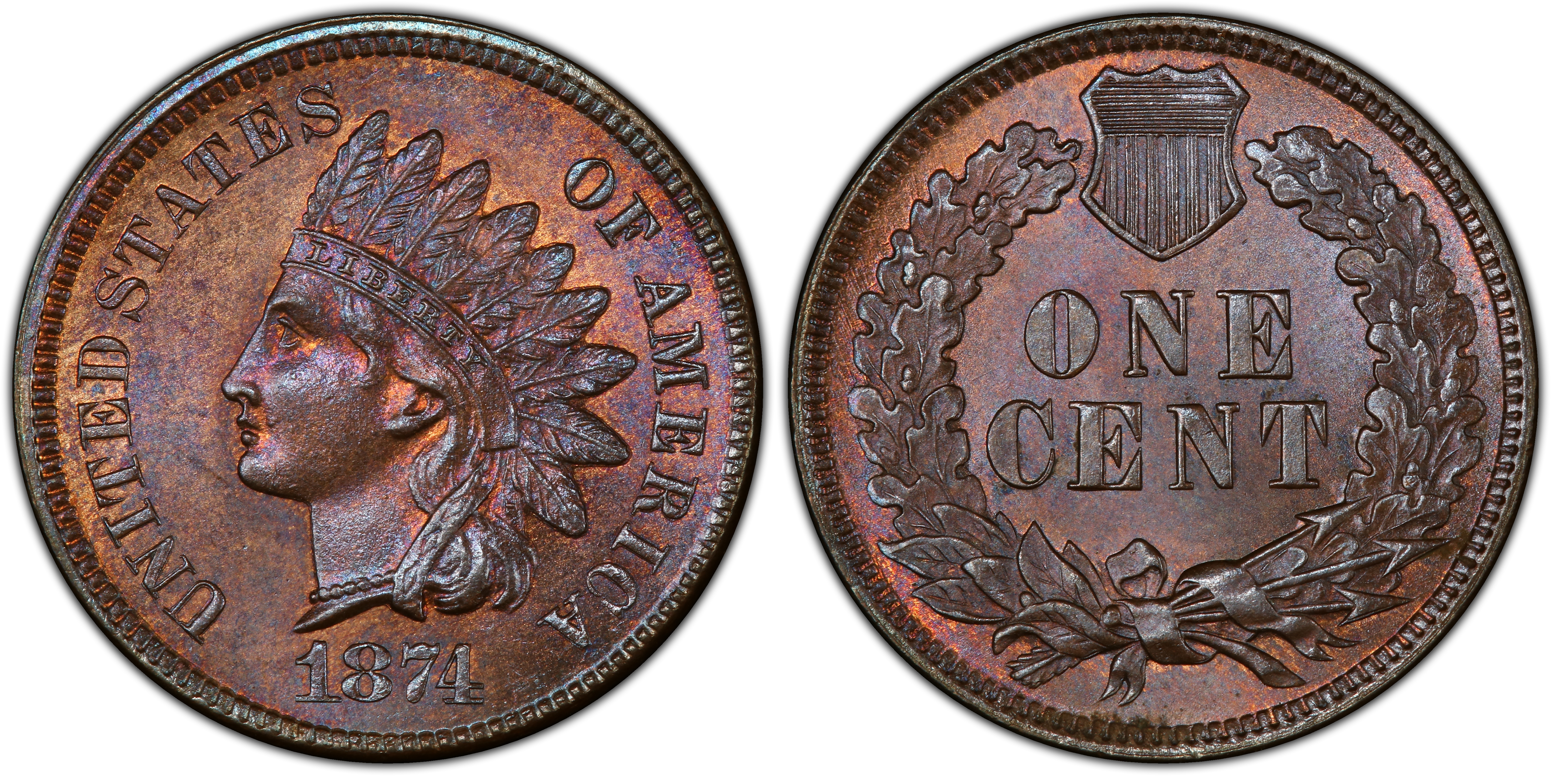
Combined Obverse & Reverse Image
Upload a TrueView or slab photo
Both sides in one image (left = obverse, right = reverse)
Obverse (Front)
Reverse (Back)
Tips for Best Results
- Image size: At least 512×512 pixels (we'll resize automatically)
- Framing: Just the coin, filling most of the frame
- Use good, even lighting without harsh shadows
- Center the coin within the circular guide
- Keep camera steady and parallel to the coin
- Avoid reflections and glare on the surface
This isn't a guess — it's a published research model
Numisking's grader comes out of original research, Using Fine-Tuned CNNs to Grade Collectible Coins, by Numisking founder Chad Stachowicz. The model is a ConvNeXt convolutional neural network fine-tuned on tens of thousands of professionally graded U.S. coins from PCGS, NGC and CACG, spanning 1793–2025.
- Obverse and reverse each run through their own CNN backbone, then fuse into a single ordinal regression head — so both sides of your coin count.
- Accuracy is measured in step-grades (the real steps graders use, e.g. VF20 → VF25), not raw Sheldon points, because professional grading is itself subjective.
- Prior published work topped out at roughly 91.3% within ±4 grades across all series; this model reaches 96.4% within ±2 step-grades.
- Validated in the field by working numismatists, including on coin series the model was never trained on.
What it doesn't do: authenticity checks, “details” grades (cleaned, damaged, or altered coins), or designations like Full Bell Lines and Full Steps. Photos also can't capture luster or in-hand eye appeal, so treat every result as an estimate rather than a certification.
Grade coins from your pocket
Get the Numisking iPhone app — snap, grade, and track your collection anywhere.